
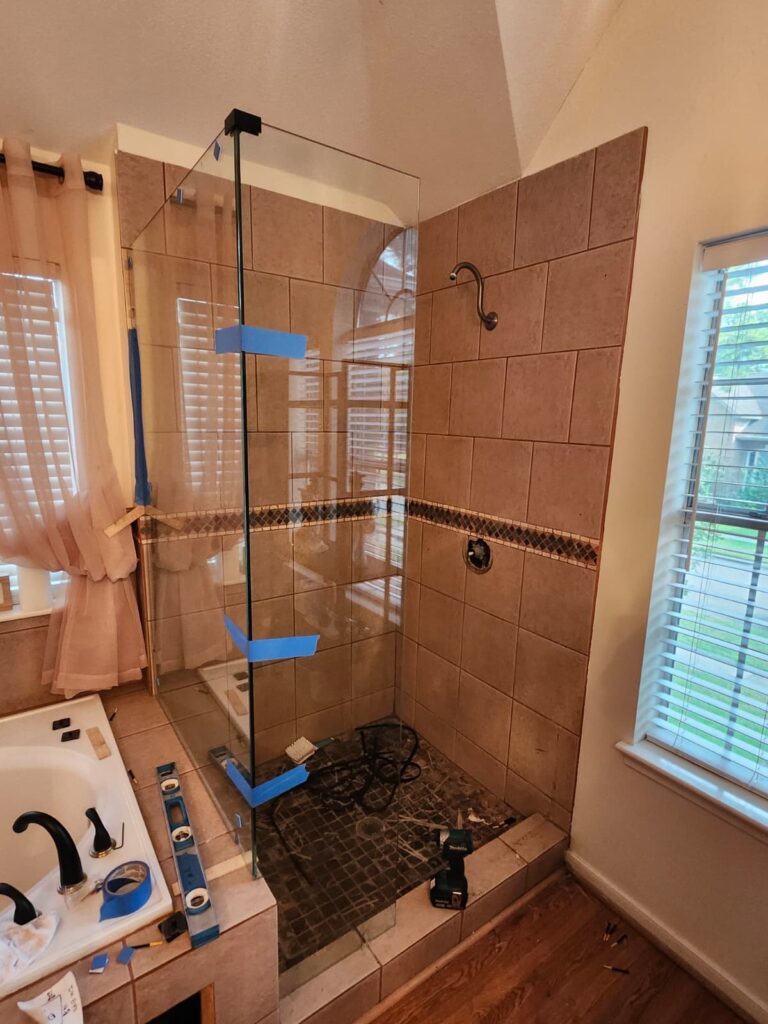
If you’re planning a bathroom renovation or shopping for shower cubicles, you’ve probably come across the term “tempered glass.” But what exactly is it, and why do building codes insist on it for your bathroom?
Tempered glass is heat-treated safety glass that’s about four times stronger than regular glass. When it breaks, it shatters into small, rounded pebbles instead of dangerous shards. Building codes require tempered glass in shower cubicles, bath enclosures, and certain windows because wet, slippery bathroom surfaces create a high risk of falls and impacts. Using tempered glass dramatically reduces the chance of serious cuts and injuries if an accident occurs.
What Is Tempered Glass Made Of?
Tempered glass starts as regular float glass — the same type used in standard windows. The difference lies entirely in how it’s processed.
Here’s what happens during manufacturing:
- The glass is cut to its final size (it cannot be cut after tempering)
- It’s heated to approximately 620°C (1,148°F)
- High-pressure air jets rapidly cool the surface
- This creates compression on the outer surfaces and tension in the core
The result? A glass panel that can withstand significant impact, temperature changes, and everyday stress without breaking.
Key Properties of Tempered Glass
| Property | Regular Glass | Tempered Glass |
|---|---|---|
| Strength | Baseline | 4-5x stronger |
| Break Pattern | Sharp shards | Small pebbles |
| Heat Resistance | Low | High (up to 250°C) |
| Can Be Cut After Manufacturing | Yes | No |
| Cost | Lower | 15-25% more |
Why Is Tempered Glass Required for Shower Cubicles?
I’ve seen firsthand what happens when non-tempered glass breaks in a bathroom. A friend’s old shower door shattered when he slipped and put his hand against it. The long, jagged shards caused deep cuts that required stitches. This is exactly why modern building codes exist.
Safety Is the Primary Reason
Bathrooms are inherently dangerous spaces. Consider these factors:
- Wet surfaces increase slip and fall risks
- Hard tiles and fixtures create impact hazards
- Naked or minimally clothed users have no protection from glass injuries
- Steam and temperature changes add stress to glass panels
When regular annealed glass breaks, it creates knife-like shards that can cause severe lacerations. Tempered glass, by contrast, crumbles into small granular pieces with blunted edges.
Building Codes Mandate It
In most countries, including the United States, Canada, UK, and Australia, building codes specifically require tempered or laminated safety glass for shower cubicles and enclosures.
U.S. Requirements: The International Building Code (IBC) requires safety glazing in areas where human impact is likely, including shower doors and enclosures.
UK Requirements: Building Regulations Part K mandates safety glazing in bathrooms and other “critical locations.”
How Can You Tell If Glass Is Tempered?
Before purchasing shower cubicles or replacement glass, you need to verify you’re getting genuine tempered glass.
Look for These Indicators
Permanent etching: Tempered glass carries a small etched mark, usually in one corner. This stamp shows the manufacturer’s name and safety standard (like “CPSC 16 CFR 1201” in the U.S. or BS 6206 in the UK).
Feel the edges: Tempered glass often has smoother, slightly rounded edges compared to regular glass.
Check the documentation: Reputable sellers provide certification confirming the glass meets safety standards.
What the Safety Markings Mean
| Marking | Standard | Region |
|---|---|---|
| CPSC 16 CFR 1201 | Consumer Product Safety Commission | United States |
| BS EN 12150 | British/European Standard | UK/Europe |
| AS/NZS 2208 | Australian/New Zealand Standard | Australia/NZ |
| CSA A440 | Canadian Standards Association | Canada |
What’s the Difference Between Tempered and Laminated Glass?
Both are considered safety glass, but they work differently.
Tempered Glass
- Breaks into small pieces
- More affordable
- Better for shower cubicles
- Completely shatters on impact
Laminated Glass
- Has a plastic interlayer between glass sheets
- Holds together when broken
- Better for overhead applications
- More expensive but offers additional security
For shower cubicles, tempered glass is the standard choice. Laminated glass is typically reserved for skylights, overhead windows, or situations requiring additional security.
How Thick Should Tempered Glass Be for Shower Doors?
Thickness matters for both safety and durability. Here’s what I recommend based on the application:
| Application | Minimum Thickness | Recommended |
|---|---|---|
| Framed shower doors | 4mm (5/32″) | 6mm (1/4″) |
| Semi-frameless enclosures | 6mm (1/4″) | 8mm (5/16″) |
| Frameless shower cubicles | 8mm (5/16″) | 10mm (3/8″) |
| Heavy-duty frameless doors | 10mm (3/8″) | 12mm (1/2″) |
Frameless shower cubicles need thicker glass because there’s no metal frame providing additional support. The glass must be substantial enough to hold heavy-duty hinges and handles while maintaining structural integrity.
Why Is Tempered Glass Also Required for Windows?
Shower cubicles aren’t the only application. Building codes require safety glazing in several window locations:
Windows Near Floor Level
Any window with the bottom edge less than 18 inches (450mm) from the floor must use safety glass. Young children might walk or fall into these windows.
Windows Near Doors
Glass within 24 inches of a door is considered a hazard zone. Someone reaching for a door handle could easily impact the adjacent glass.
Sliding Glass Doors
The entire panel of a sliding door must be tempered due to the risk of someone walking into it.
Stairway Windows
Windows adjacent to stairs or landings require safety glazing because falls in these areas are common.
What Are the Benefits of Tempered Glass Shower Cubicles?
Beyond safety compliance, tempered glass offers practical advantages for bathroom applications.
Durability and Longevity
Tempered glass resists scratches better than regular glass. It handles the daily impacts of shower use, from dropped bottles to bumped elbows, without damage.
Heat Resistance
Hot showers create temperature differentials that stress glass. Tempered glass tolerates these thermal changes without cracking.
Easy Maintenance
The smooth surface of quality tempered glass resists soap scum and water spots. Many manufacturers offer coatings that make cleaning even easier.
Aesthetic Appeal
Modern shower cubicles with thick, frameless tempered glass create a clean, luxurious look. The clarity and strength of tempered glass allow for minimalist designs that wouldn’t be possible with framed enclosures.
How Much Do Tempered Glass Shower Cubicles Cost?
Pricing varies significantly based on size, thickness, and design complexity.
Typical Price Ranges (2024)
| Type | Price Range (USD) |
|---|---|
| Framed shower door (single) | $150 – $400 |
| Semi-frameless enclosure | $400 – $800 |
| Frameless shower cubicle | $800 – $2,500 |
| Custom frameless with hardware | $1,500 – $4,000+ |
Budget tip: If you’re watching costs, a semi-frameless design with 6mm tempered glass offers a good balance between aesthetics and affordability.
Frequently Asked Questions
Can tempered glass break randomly?
Yes, but it’s rare. A phenomenon called “spontaneous breakage” can occur due to nickel sulfide inclusions in the glass. However, quality manufacturers use heat-soak testing to identify and eliminate panels with this defect. When purchasing shower cubicles, ask if the glass has been heat-soaked.
Is tempered glass more expensive than regular glass?
Tempered glass typically costs 15-25% more than standard annealed glass of the same thickness. For shower cubicles, this premium is minimal compared to the safety benefits and is often required by law anyway.
Can I cut tempered glass to fit my shower opening?
No. Tempered glass must be cut to its final dimensions before the tempering process. Any attempt to cut, drill, or modify tempered glass after manufacturing will cause it to shatter. Always measure precisely or have a professional take measurements before ordering.
How do I clean tempered glass shower doors?
Use a non-abrasive cleaner or a mixture of white vinegar and water. Apply with a soft cloth or squeegee. For stubborn soap scum, a paste of baking soda and water works well. Avoid harsh chemicals or abrasive scrubbers that could scratch the surface.
Does tempered glass offer any privacy?
Clear tempered glass is fully transparent. However, you can order tempered glass with frosted, patterned, or tinted finishes for privacy in shower cubicles. These treatments are applied before tempering, so you’ll need to specify your preference when ordering.
How long do tempered glass shower cubicles last?
With proper care, tempered glass shower enclosures can last 20-30 years or more. The hardware (hinges, seals, handles) typically needs replacement before the glass itself shows wear.
What happens if my tempered glass shower door breaks?
The glass will shatter into thousands of small, relatively harmless pieces. While startling, the granular fragments are far less dangerous than broken regular glass. You’ll need to replace the entire panel since tempered glass cannot be repaired.
Are there alternatives to tempered glass for shower cubicles?
Acrylic and polycarbonate panels are alternatives that won’t shatter at all. However, they scratch easily, can yellow over time, and don’t offer the same premium look as glass. Laminated glass is another option but is typically overkill for shower applications and adds significant cost.
Summary: Why Tempered Glass Matters for Your Bathroom
Tempered glass isn’t just a building code requirement — it’s a smart safety investment for any home. For shower cubicles, bathroom windows, and other high-risk areas, tempered glass provides strength, durability, and fail-safe protection. When it does break, you’re dealing with small granular pieces rather than dangerous shards.
When shopping for shower cubicles or replacement glass, always verify the safety certification markings, choose appropriate thickness for your application, and work with reputable suppliers who can provide documentation.
Ready to upgrade your bathroom? Start by measuring your shower opening and consulting with a glass specialist who can recommend the right tempered glass solution for your needs and budget. Your future self will thank you for prioritizing safety without sacrificing style.