
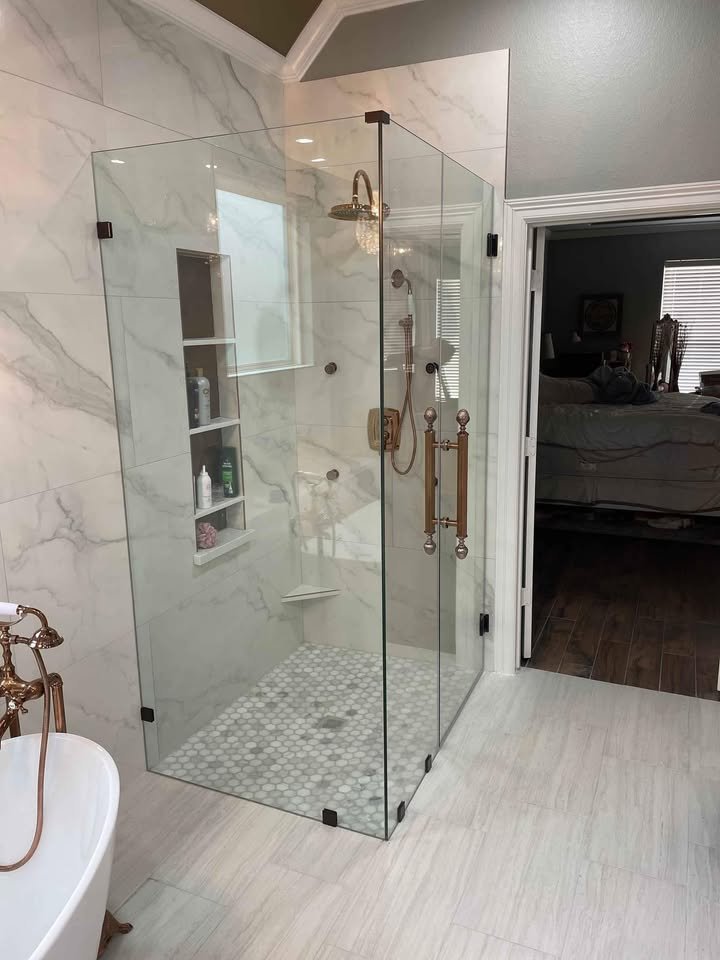
To choose the best shower enclosure for your bathroom, assess your available space, select the right door style for your layout, choose between framed or frameless glass, and pick a glass thickness and finish that suits your design and budget. Frameless shower enclosures with toughened safety glass are the most popular choice for modern bathrooms because of their clean look and durability.
A shower enclosure is one of the most important investments you can make in your bathroom. It defines the look of the space, determines how easy the shower is to use every day, and affects long-term maintenance and cleaning effort. Choose well and your bathroom feels spacious, luxurious, and easy to keep clean. Choose poorly and you spend years fighting leaks, cramped doors, and dated aesthetics.
With dozens of styles, glass types, frame options, and size configurations available, selecting the right
can feel overwhelming. This guide gives you a clear, practical framework for making the best choice for your bathroom space, your lifestyle, and your design goals, whether you are renovating a compact en-suite or designing a spacious master bathroom from scratch.
What Are the Main Types of Shower Enclosures Available?
Understanding the full range of shower enclosure types is the first step in making a confident choice. Each style suits different bathroom layouts, door clearance requirements, and design preferences.
What Are the Most Popular Shower Enclosure Styles?
- Pivot Door Enclosures: The door swings outward on a pivot hinge, providing a wide opening and a clean, simple look. Best suited to bathrooms with enough floor space in front of the shower for the door to open freely
- Sliding Door Enclosures: One or two panels slide along a track, requiring no additional clearance space for the door. Ideal for compact bathrooms or alcove showers where outward door swing is not possible
- Bi-Fold Door Enclosures: The door folds inward as it opens, combining the full-width opening of a pivot door with the space efficiency of a sliding door. A practical choice for small bathrooms
- Hinged Door Enclosures: A single glass panel opens on a hinge, typically used in walk-in or corner configurations. Offers an open, minimal aesthetic with very easy access
- Walk-In Enclosures: Open-plan shower areas defined by fixed glass panels with no door. Provide an uninterrupted, spa-like feel and are easiest to clean because there are no moving parts
- Corner Entry Enclosures: The door is positioned at the corner rather than the front, allowing the enclosure to fit neatly into bathroom corners and maximizing floor space in the rest of the room
- Quadrant Enclosures: Curved glass panels that fit into a bathroom corner, creating a smooth, rounded profile that feels softer than square enclosures and works well in smaller spaces
Each of these shower enclosure styles comes in a range of sizes and glass configurations. Matching the door style to your specific bathroom layout is the most fundamental decision you will make.
What Is the Difference Between Framed and Frameless Shower Enclosures?
One of the most significant choices in any shower enclosure selection is whether to go framed or frameless. This decision affects the visual weight of the enclosure, the maintenance requirements, the cost, and the overall feel of the bathroom.
| Feature | Framed Shower Enclosure | Frameless Shower Enclosure |
| Visual appearance | Metal frame around all glass edges | Glass only, minimal or no metal |
| Glass thickness | Usually 4mm to 6mm | Usually 8mm to 10mm toughened glass |
| Cleaning difficulty | Frame profiles can collect soap scum | Easier to wipe clean, fewer crevices |
| Cost | More affordable | Higher cost, premium look |
| Structural strength | Frame provides additional support | Glass thickness provides strength |
| Design style | Traditional and classic look | Modern, minimal, and contemporary |
| Seal quality | Seals within frame channels | Requires precise installation for sealing |
| Customization | Standard sizes widely available | Can be made to measure for any space |
Frameless shower enclosures have become the preferred choice for most modern bathroom renovations because of their clean, open appearance and the perception of more space they create. Framed enclosures remain a cost-effective option and suit bathrooms with a more traditional design aesthetic.
How Do You Choose the Right Size Shower Enclosure for Your Bathroom?
Sizing is the most practical decision in the entire shower enclosure selection process. Getting it right means the enclosure fits your space perfectly and functions comfortably every day. Getting it wrong means either a cramped shower experience or an enclosure that is physically impossible to install.
What Measurements Do You Need Before Buying a Shower Enclosure?
- Available floor space: Measure the width and depth of the shower area precisely, including any pipework, fixtures, or structural features that reduce usable space
- Ceiling height: Standard enclosures are 1,850mm to 2,000mm tall. Confirm your ceiling height allows for any upstand or shower tray lip before choosing the enclosure height
- Door swing clearance: For pivot and hinged doors, measure the space in front of the shower area to ensure the door can open fully without hitting a toilet, basin, or opposite wall
- Shower tray dimensions: If fitting an enclosure over a tray, the enclosure must match the tray size precisely. Custom-sized enclosures are available when standard sizes do not fit
- Wall squareness: Older bathrooms rarely have perfectly square walls. Measure both the top and bottom of the shower opening to check for any difference, which will affect which enclosure types are suitable
Practical Tip: When measuring for a shower enclosure, always measure in three places: at the top, in the middle, and at the bottom of each wall. Bathrooms with walls that are out of square by more than 5mm will benefit most from an adjustable framed enclosure or a made-to-measure frameless option. Never assume that a previously fitted shower enclosure tells you the correct measurements for a new one, as fitters sometimes compensate for unevenness in ways that are not visible once the enclosure is in place.
What Type of Glass Should You Choose for Your Shower Enclosure?
The glass in your shower enclosure is not just an aesthetic decision. It affects safety, maintenance, privacy, and long-term performance. Here is what you need to understand about the glass options available:
- Toughened Safety Glass: The minimum safety standard for all shower enclosures. When broken it shatters into small, blunt fragments rather than dangerous shards. Always look for BS EN 12150 certification
- Clear Glass: The most popular choice, giving a light, open feel and making the bathroom appear larger. Requires regular cleaning to prevent limescale and soap residue buildup
- Frosted or Obscure Glass: Provides privacy without blocking light. Particularly useful in shared bathrooms or enclosures visible from a bedroom or hallway
- Easy Clean Glass Coatings: A hydrophobic coating applied to the glass surface causes water to bead and run off, significantly reducing limescale and soap scum. Highly recommended for hard water areas
- Tinted Glass: Available in bronze, grey, and other tints to complement specific bathroom color schemes and add a design feature to the enclosure
- Patterned Glass: Textured or decorative glass designs that add visual interest while maintaining privacy. Popular in family bathrooms where complete transparency is not desired
For most modern bathrooms, the recommendation is 8mm clear toughened glass with an easy clean coating for a frameless shower enclosure, or 6mm clear toughened glass for a framed version. The easy clean coating pays for itself in reduced cleaning time within months of installation.
Why Should You Choose a Specialist Supplier for Your Shower Enclosure?
The source of your shower enclosure matters as much as the product itself. A specialist glass and mirror supplier brings expertise, customization capability, and quality assurance that generic retailers cannot match.
Creative Glass and Mirror specializes in precision-crafted shower enclosures designed and manufactured to the exact dimensions of your bathroom. Their expertise in glass fabrication means every enclosure is made to fit perfectly, even in bathrooms with irregular dimensions or non-standard configurations.
- Made-to-Measure Options: Every enclosure is available in bespoke sizes to fit any bathroom, eliminating the compromises that come with standard off-the-shelf dimensions
- Premium Glass Quality: All glass is toughened safety glass meeting current building regulations, with optional factory-applied easy clean coatings for long-term performance
- Expert Installation Guidance: The team provides detailed technical support for installation, ensuring the enclosure seals correctly and performs as intended from day one
- Wide Style Range: From minimal frameless walk-in panels to fully framed traditional enclosures, the range covers every bathroom style and budget requirement
- Design Consultation: Professional advice on which enclosure style, glass type, and size configuration best suits your specific bathroom layout and design vision
When Is the Right Time to Replace Your Shower Enclosure?
Knowing when your existing shower enclosure has reached the end of its useful life helps you plan a replacement before problems become urgent. These are the clearest signals that a replacement is overdue:
- When the seals are leaking persistently and re-sealing is no longer holding, allowing water to escape onto the bathroom floor
- When the frame is showing significant rust, corrosion, or surface damage that cannot be cleaned or repaired
- When the glass has become permanently hazy or pitted from hard water damage and no cleaning product restores its clarity
- When the door mechanism is stiff, misaligned, or failing, making daily use difficult or unreliable
- When you are undertaking a full bathroom renovation and the existing enclosure no longer suits the new design direction
- When the enclosure was installed more than fifteen years ago and the glass no longer meets current safety standards
- When you are upgrading your home for sale and a dated or deteriorating shower enclosure is reducing buyer appeal
Frequently Asked Questions About Shower Enclosures
What is the minimum size for a shower enclosure?
The minimum comfortable size for a shower enclosure is generally 800mm by 800mm, which provides enough space to shower without feeling cramped. Most design guides recommend at least 900mm by 900mm for comfortable daily use. Walk-in enclosures are typically a minimum of 900mm wide to allow free movement without the door constraint, and deeper is always better if your floor space allows it.
Is frameless glass safe for shower enclosures?
Yes. Frameless shower enclosures use 8mm to 10mm toughened safety glass that is certified to BS EN 12150. The glass is significantly stronger than framed enclosure glass and when broken shatters into small, blunt pieces rather than sharp shards. The absence of a frame does not compromise safety when the glass is the correct thickness and the enclosure is properly installed with quality fittings.
How do I stop limescale buildup on my shower enclosure glass?
The most effective prevention is an easy clean hydrophobic coating applied to the glass surface, which causes water to bead and run off rather than drying on the glass. For existing shower enclosures without this coating, daily use of a shower squeegee after each use removes the majority of water droplets before they dry and deposit limescale. A weekly spray with a diluted white vinegar solution dissolves existing limescale without damaging the glass or seals.
Can a shower enclosure be installed on a tiled floor without a tray?
Yes. Wet room style shower enclosures are designed to be installed directly onto a wet room floor without a shower tray. The floor must be properly waterproofed and graded toward the drain before installation. This approach gives a seamless, minimal look and is fully accessible, making it ideal for both contemporary bathroom designs and accessible bathrooms for users with limited mobility.
How long does a shower enclosure typically last?
A well-maintained quality shower enclosure typically lasts between ten and twenty years depending on the material quality, water hardness in your area, cleaning routine, and frequency of use. The glass panels themselves rarely fail and often outlast the seals, hinges, and frame components. Most enclosures benefit from seal replacement at five to eight years, which significantly extends the overall service life.
What is the best finish for shower enclosure frames and fittings?
For shower enclosures used in wet environments, brushed stainless steel and chrome are the most durable standard finishes. Brushed nickel and matt black are popular design choices that resist visible water marks better than polished finishes. Powder-coated aluminium profiles are available in a wide range of colors and provide good corrosion resistance at a lower cost than solid stainless steel hardware.
Can I get a custom-sized shower enclosure for an unusual bathroom space?
Yes. Specialist glass suppliers including Creative Glass and Mirror produce shower enclosures to completely custom dimensions for bathrooms with non-standard sizes, angled walls, sloped ceilings, or unusual configurations. Custom enclosures take longer to produce than standard sizes and cost more, but they eliminate the compromises of fitting a standard product into a space it was not designed for. For bathrooms with genuinely difficult geometry, a made-to-measure enclosure is nearly always the better long-term investment.
Summary: How to Choose the Right Shower Enclosure for Your Bathroom
Choosing the right shower enclosure requires balancing the physical dimensions of your bathroom, the door style that suits your layout, the glass type that matches your maintenance preferences, and the aesthetic that reflects your design goals. The decisions you make here will shape both the look and the daily functionality of your bathroom for a decade or more.
The core principles from this guide:
- Measure your available space precisely in multiple places before selecting any style or size
- Match the door style to your floor plan, particularly the clearance available for door swing
- Frameless enclosures with 8mm toughened glass offer the best combination of aesthetics and durability for modern bathrooms
- Easy clean glass coatings are worth the investment in any hard water area and dramatically reduce cleaning effort
- A specialist supplier with made-to-measure capability is the most reliable choice for bathrooms with irregular dimensions
- Replace seals proactively every five to eight years to extend the life of an otherwise well-performing enclosure
When you need a shower enclosure that fits perfectly, performs reliably, and looks exactly right in your bathroom, working with a specialist glass fabricator who understands both the technical and design dimensions of the product makes all the difference.