
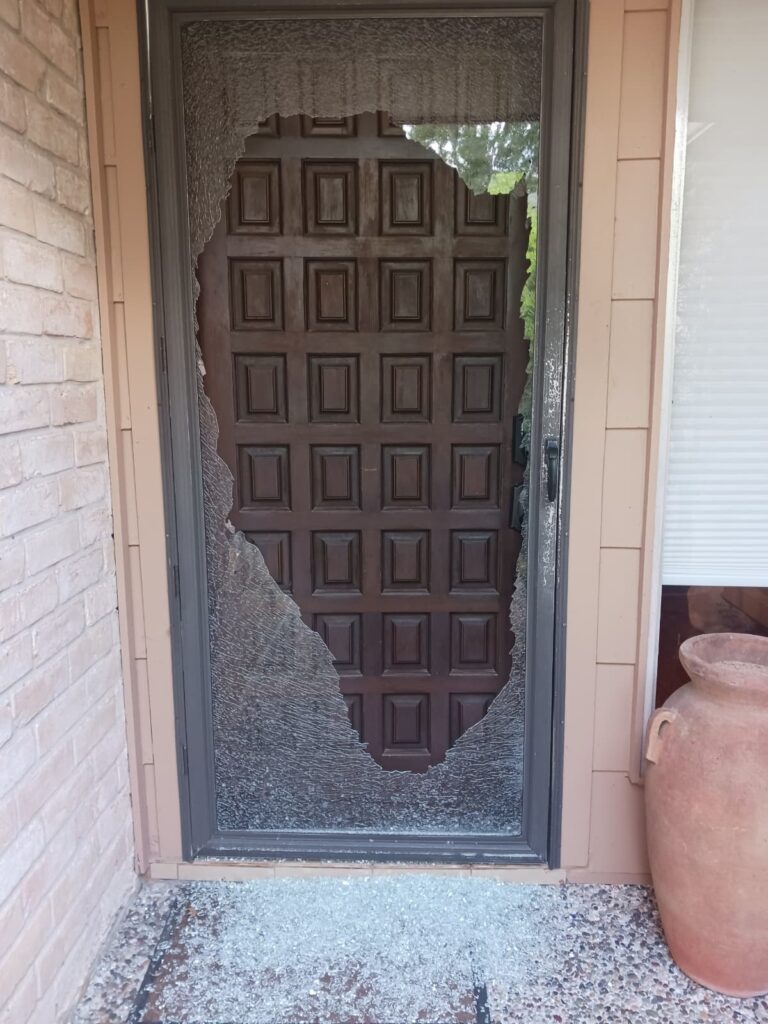
A glass storefront door is one of the most used parts of a shop. When it starts sticking, dragging, slamming, or not locking, it can frustrate customers and create safety risks. The good news is that many issues have a simple, fast check you can do today, while bigger problems need a qualified glass repair technician.
Most glass storefront door problems come from loose hardware, dirty tracks, worn pivots, or door closers that drift out of adjustment. Start by checking screws, cleaning the threshold area, and testing the closer speed. If the door drags, won’t latch, or the glass is chipped or cracked, stop using it and call a glass repair pro.
What are the most common glass storefront door problems?
These are the issues business owners report most often:
- Door won’t close fully or won’t latch
- Door drags on the floor or rubs the frame
- Door slams shut or swings too fast
- Door swings too slowly and annoys customers
- Handle feels loose or wobbly
- Lock is hard to turn or doesn’t align
- Weather stripping is torn, letting air and dust in
- Glass has a chip, crack, or edge damage
- Hinge, pivot, or closer makes squeaking or grinding sounds
How do you quickly diagnose a glass storefront door issue in 5 minutes?
Do this quick check before touching any adjustment screws.
- Look at the gap lines
- Stand inside and check the gap between the door and frame on all sides.
- Uneven gaps usually mean alignment or pivot issues.
- Listen while opening and closing
- A grinding sound often points to pivots or bottom hardware.
- A hiss or sudden “snap” motion often points to the door closer.
- Check for obvious looseness
- Grab the handle and push gently side to side.
- If anything shifts, stop and tighten what you can safely reach.
- Check the floor area
- Dirt, stones, or gum near the threshold can cause dragging and poor closing.
- Test the lock
- Lock and unlock slowly.
- If it only works when you lift or pull the door, alignment is off.
Why won’t a glass storefront door close or latch properly?
Usually it is one of these:
- The closer speed is set wrong
- The latch line is misaligned (door not sitting where it should)
- Dirt is blocking the threshold
- Weather stripping is torn or folded
- The bottom pivot is worn and the door has “dropped” slightly
How do you fix a door that won’t latch quickly?
Try these safe steps first:
- Clean the threshold and sweep the track area
- Remove grit near the bottom corner where the door passes closest to the frame.
- Check the strike and latch alignment
- Close the door slowly and see if the latch lines up with the strike.
- Tighten visible screws on the strike plate and handle
- Use the correct screwdriver size to avoid stripping.
- Check weather stripping
- If it is folded, press it back into place.
- If it is torn and dragging, it may need replacement.
What causes a glass storefront door to drag on the floor?
Dragging is typically caused by one of these:
- Bottom pivot wear
- Loose pivot screws
- Door sag from repeated heavy use
- Settling of the building or frame shift
- A damaged threshold or floor mat catching the door
How can you reduce dragging immediately?
Use these quick actions:
- Remove mats or objects that the door hits
- Clean the threshold area
- Check if the bottom corner of the door rubs
- If it rubs only on one side, alignment is off.
When should you stop using the door?
Stop using it and keep it open (or use another entrance) if:
- The door drags hard enough to shake the glass
- The bottom corner chips the frame
- You see any glass edge damage
Dragging can turn into a crack fast, especially near the edges. That is a serious glass repair risk.
Why does a glass storefront door slam shut or swing too fast?
That is almost always the door closer settings, or a failing closer.
Common causes:
- Closing speed set too fast
- Latch speed set too fast (final few inches)
- Backcheck not working (door flings open too easily)
- Low fluid or internal closer wear
How do you adjust the door closer safely?
Many closers have small adjustment valves. If you are not sure, do not force anything.
Safe approach:
- Make tiny turns (about 1/8 of a turn)
- Wait and test after each change
- Never remove the valve screw
What to aim for:
- The door should close smoothly
- The final few inches should gently latch, not slam
If it still slams after minor adjustment, the closer may need replacement by a technician. A worn closer is a common glass repair appointment because it affects safety and accessibility.
How do you fix a storefront door that closes too slowly or won’t close at all?
This feels like the opposite of slamming, but it often has similar roots.
Likely causes:
- Closing speed set too slow
- Door closer has air in the system or is failing
- Excess friction from pivots or misalignment
- Weather stripping is too tight or damaged
Quick checks:
- Look for rubbing along the frame
- Check weather stripping for tearing or folding
- Test with the door held at half open
- If it barely moves, friction or closer failure is likely
If customers must push hard to close it, that is a safety and security problem. Call a glass repair pro if you cannot correct it quickly.
What causes a loose handle, lock, or panic bar on a glass storefront door?
It usually comes down to loosening over time.
Common causes:
- Screws backing out from constant use
- Misaligned latch causing extra force during locking
- Worn spindle, mortise lock case, or mounting holes
How do you tighten a loose handle quickly?
- Tighten all visible screws evenly
- Check both sides of the handle
- Do not overtighten into glass-adjacent hardware
If the handle tightens but becomes loose again within days, parts may be worn and need replacement.
How do you deal with a lock that is hard to turn?
Quick steps:
- Confirm the door is fully aligned in the frame
- Try locking with gentle pressure on the door
- If that works, alignment is the real issue
What should you do if the storefront glass is chipped or cracked?
Treat chips and cracks as urgent, even if the door still works.
What is the quickest safe response?
- Stop using that door if the crack is growing or near the edge
- Block off the area to protect customers
- Take clear photos for your records and for the glass repair team
- Call a professional for assessment and replacement
Important notes:
- Edge cracks spread faster than surface chips.
- Tempered glass can fail suddenly once damaged.
If you run a shop with steady foot traffic, it is usually safer to schedule glass repair as soon as possible.
How do you know whether it’s a quick fix or a professional glass repair job?
Here is a simple troubleshooting table you can use.
| Problem you see | Most likely cause | Quick safe check you can do | Call a glass repair pro when |
| Door won’t latch | Misalignment or closer speed | Clean threshold, tighten strike screws, check weather strip | Latch still misses strike, door gap is uneven |
| Door drags | Pivot wear or door sag | Remove mats, clean threshold, check rub point | Dragging is heavy, glass edge looks stressed |
| Door slams | Closer speed too fast or failing | Tiny closer adjustment, test each time | Slams even after small adjustment |
| Door swings too slow | Closer setting too slow or friction | Check rubbing, check weather strip | Still slow, customers must push hard |
| Handle is loose | Screws backing out, worn parts | Tighten visible screws evenly | Looseness returns quickly, lock binds |
| Glass chip or crack | Impact or stress | Stop use, secure area, document | Always, especially if near edge or growing |
When is it safer to call a professional right away?
Call a glass repair technician immediately if:
- You see any crack, even a small one near the edge
- The door is dragging hard or scraping metal
- The pivot hardware looks damaged or the door “drops” suddenly
- The closer is leaking fluid
- The door is not secure and you cannot lock it reliably
- The door is part of an emergency exit and hardware is failing
How can you prevent storefront door problems with a simple monthly checklist?
A small routine prevents most urgent calls.
What should you check weekly?
- Sweep and clean the threshold area
- Check that the door closes and latches smoothly
- Listen for new noises
What should you check monthly?
- Tighten handle and strike screws
- Inspect weather stripping for tears
- Watch for uneven gaps around the door
- Test the closer function (smooth close, gentle latch)
- Check lock operation without forcing
What should you schedule every 6 to 12 months?
- Hardware inspection (pivots, closer, lock alignment)
- Replacement of worn seals
- Adjustment of door closer for seasonal changes
What are the fastest “do this now” fixes that often work?
If you need a quick improvement today, try these in order:
- Clean threshold and remove debris
- Remove door mats that curl up into the swing path
- Tighten visible screws on handle and strike
- Check weather strip and press it back if folded
- Test close and latch speed, then do tiny closer adjustments
FAQ: Common questions about glass storefront door problems
How long does a typical glass repair for a storefront door take?
Minor adjustments can take under an hour. Glass replacement can take longer depending on glass type, size, and whether it is tempered or laminated.
Is it safe to keep using a door with a small crack?
It is risky, especially if the crack is near the edge. Small cracks can spread quickly with door movement. It is best to secure the area and arrange glass repair.
Why does my storefront door work fine in the morning but sticks later?
Temperature changes can affect the frame and seals. As the day warms up, parts can expand slightly, changing alignment and friction.
Can I adjust a door closer myself without breaking it?
Yes, if you make very small turns and test after each change. Do not remove valve screws and do not force adjustments. If the closer leaks, it needs replacement.
What causes a lock to stop lining up with the strike plate?
Usually door sag, pivot wear, or frame shift. You might notice you must lift or pull the door to lock it. That is an alignment issue, not just a lock issue.
How do I know if the pivot is worn out?
Signs include dragging, uneven gaps, a door that feels “dropped,” or movement at the bottom corner. A technician can confirm and replace pivot parts during a glass repair service call.
Should I replace weather stripping or just leave it?
Replace it if it is torn, stiff, or dragging. Damaged seals make the door harder to close and can create alignment issues over time.
Summary
Most storefront door issues start small: dirt at the threshold, loose screws, or a closer that needs a minor adjustment. If the door drags hard, won’t secure properly, or the glass shows any chip or crack, treat it as urgent and arrange glass repair. If you want, share what the door is doing (dragging, slamming, not locking), and I’ll suggest the most likely cause and the safest next step.